The Ecological Cost of Lawn Culture
The Ecological Cost of Lawn Culture
A neatly trimmed green lawn is often treated as a symbol of order, beauty, and success. In many neighborhoods, it is the default landscape: a smooth carpet of grass, carefully watered, fertilized, edged, and mowed. But from an environmental perspective, the modern lawn is one of the least efficient and least ecologically useful ways to use land. What looks tidy to the human eye can be surprisingly costly in terms of water, energy, biodiversity, and pollution.
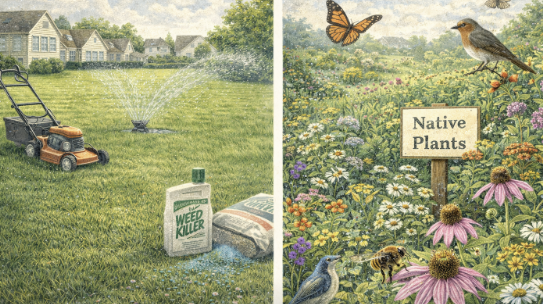
Lawns are environmental monocultures. They are usually made up of one or two grass species maintained in an artificial state through constant human intervention. Unlike a native meadow, wetland patch, or mixed garden, a lawn provides very little food or shelter for wildlife. Bees, butterflies, birds, and beneficial insects gain little from a wide expanse of short grass. In many areas, replacing native vegetation with lawn means replacing a functioning ecosystem with a decorative surface.
The water demand of lawn culture is especially troubling. In dry regions, large amounts of freshwater are used simply to keep grass green for visual appeal. During heat waves or droughts, maintaining lawns can place extra pressure on already strained water supplies. At the same time, fertilizers and pesticides used to preserve the “perfect” lawn often wash into storm drains, rivers, and lakes. These chemicals can contribute to water pollution, harm aquatic ecosystems, and disrupt soil life right under our feet.
Lawns also carry an energy cost. They are often maintained with gas-powered mowers, leaf blowers, and trimmers, all of which consume fuel and generate emissions. Frequent mowing prevents grasses and small flowering plants from reaching stages that might support pollinators or improve soil structure. Instead of allowing land to absorb carbon and support life more fully, lawn maintenance often keeps it in a constant cycle of cutting, feeding, and chemical treatment.
The cultural expectation behind lawns is part of the problem. Many people maintain them not because they are useful, but because they are seen as normal, respectable, or required by neighborhood standards. A yard with native plants, taller grasses, or less rigid design may support birds and pollinators far better, yet it is sometimes judged as messy or neglected. In that sense, lawn culture is not just an environmental issue but a social one. It shapes what we believe “good land stewardship” looks like, even when the reality is the opposite.
Fortunately, alternatives are growing. Native plant gardens, clover lawns, pollinator patches, rain gardens, and mixed landscapes can all reduce water use while increasing habitat value. Even small changes help: mowing less often, shrinking lawn size, avoiding chemical treatments, and planting native flowers along borders. These choices can turn a yard from an ecological blank space into something living and resilient.
A greener future does not necessarily mean more green grass. Sometimes it means giving up the idea that land must always look controlled in order to be valuable. If we want landscapes that are healthier for insects, birds, water systems, and climate resilience, we may need to rethink one of the most normalized environmental habits of all: the lawn.